Choosing the right Content Management System (CMS) is one of the most important decisions when building a website or digital platform. Two of the most popular CMS platforms today are WordPress and Drupal.
Both are open-source and supported by massive global communities. However, they are designed with different priorities:
- WordPress → simplicity and speed of development
- Drupal → flexibility, scalability, and enterprise architecture
In this guide, we compare Drupal vs WordPress in 2026, including architecture, features, security, and ideal use cases.
WordPress Overview

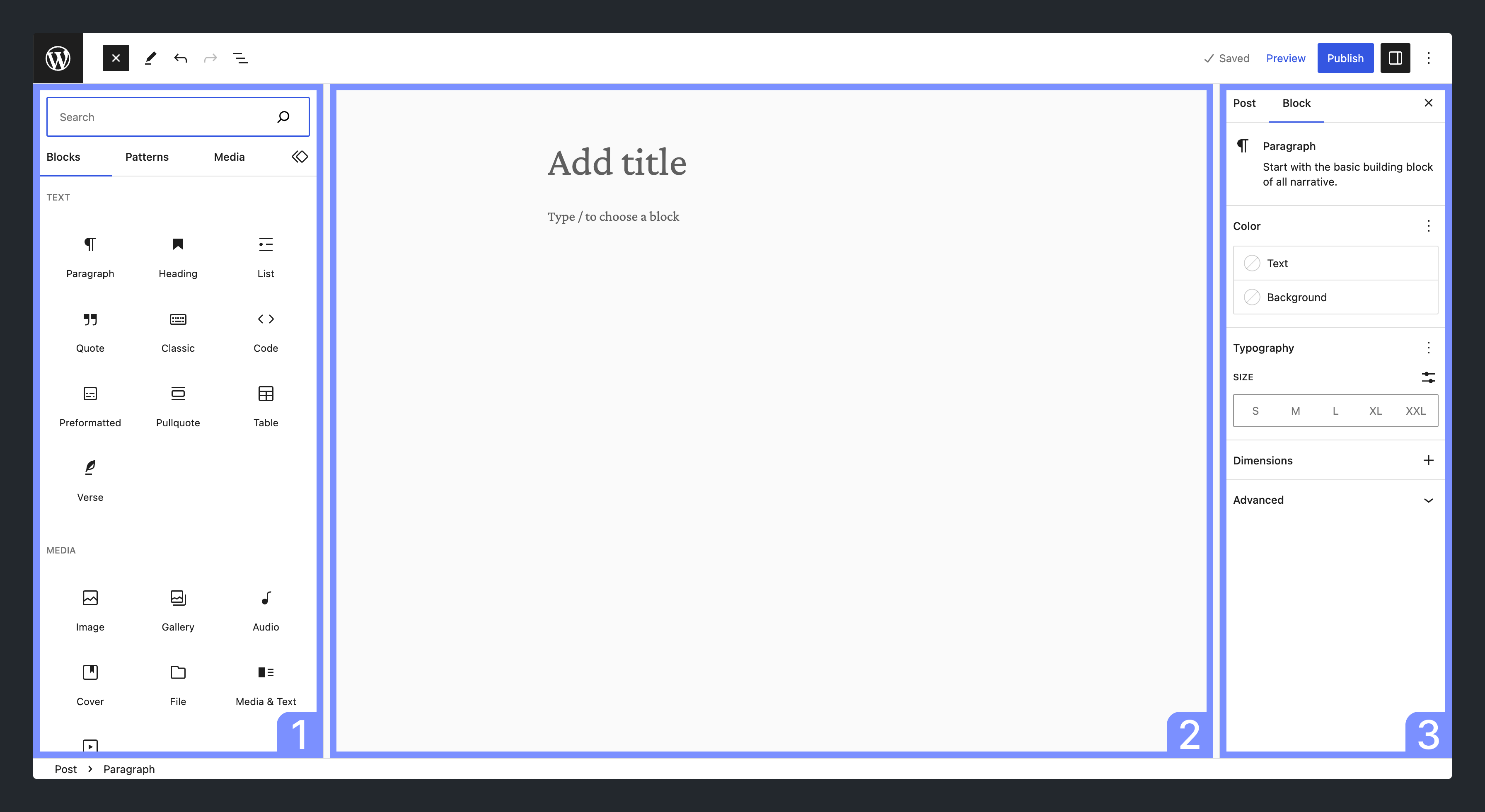
WordPress started in 2003 as a blogging platform but has evolved into the most widely used CMS in the world.
Today WordPress powers over 40% of websites on the internet.
Why WordPress Is So Popular
1. Extremely Easy to Use
WordPress is beginner-friendly. Users can install themes, publish content, and add features using plugins without writing code.
2. Massive Plugin Ecosystem
WordPress offers 60,000+ plugins allowing developers to add features like:
- SEO tools
- marketing automation
- memberships
- analytics
- e-commerce using WooCommerce
3. Huge Theme Marketplace
Thousands of free and premium themes allow users to design websites quickly.
4. Large Community
Because WordPress is so widely used, there are countless tutorials, developers, and plugins available.
Limitations of WordPress
Despite its popularity, WordPress has some limitations when building complex applications.
Common challenges include:
- heavy reliance on plugins
- performance issues with large websites
- plugin compatibility problems
- security risks from poorly maintained extensions
For large enterprise systems or complex data structures, developers often prefer Drupal.
Drupal Overview
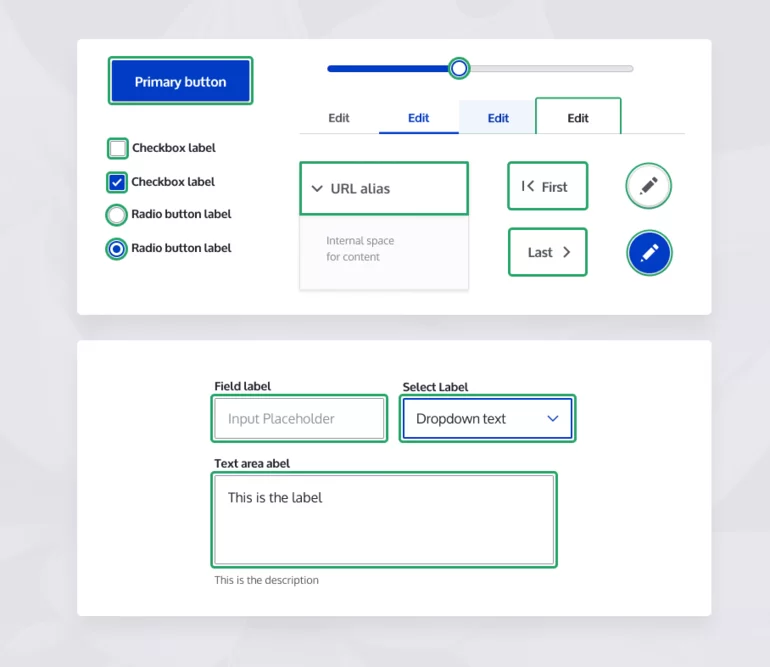
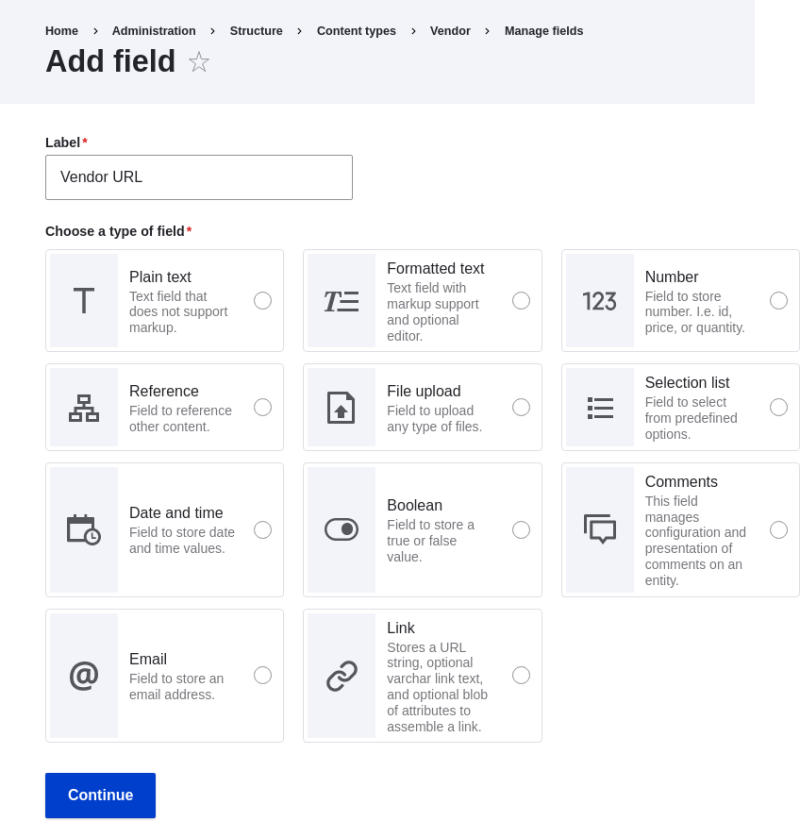
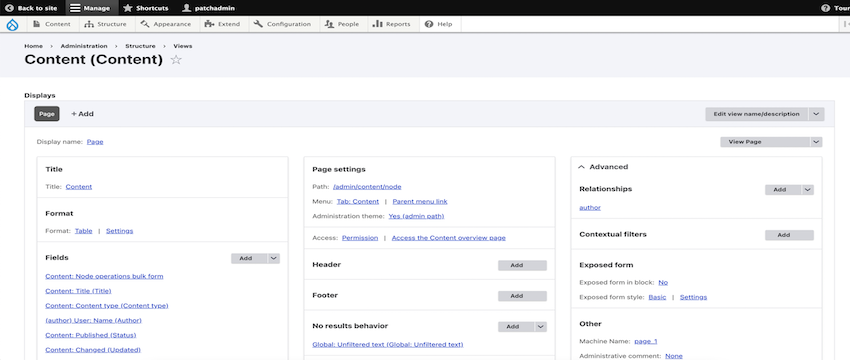
Drupal is a powerful open-source CMS and application framework used to build complex digital platforms.
Modern versions such as Drupal 10 provide a modern architecture built on Symfony components and modern PHP development standards.
The next release, Drupal 11, continues to improve performance, developer experience, and upgrade stability.
Drupal is commonly used by:
- governments
- universities
- enterprise organizations
- global media platforms
Key Advantages of Drupal
Powerful Content Modeling
Drupal allows developers to create structured data models using:
- Content Types
- Fields
- Entities
- Taxonomies
These capabilities are built into Drupal core, making it easy to build complex data-driven applications.
Advanced Role and Permission System
Drupal provides one of the most powerful permission systems in any CMS.
Developers can define:
- multiple user roles
- granular permissions
- workflow-based access control
This makes Drupal ideal for applications with many user types and complex workflows.
Built-in Multilingual Support
Drupal supports multilingual websites out of the box.
Features include:
- translated content
- multilingual interface
- language-based URLs
This makes Drupal an excellent choice for international websites and global organizations.
Modern Architecture
Drupal is built using modern development technologies including:
- Symfony framework components
- dependency injection
- Composer package management
- REST and JSON APIs
This architecture allows Drupal to function not just as a CMS but also as a web application framework.
Headless Drupal and Modern Frontend Development

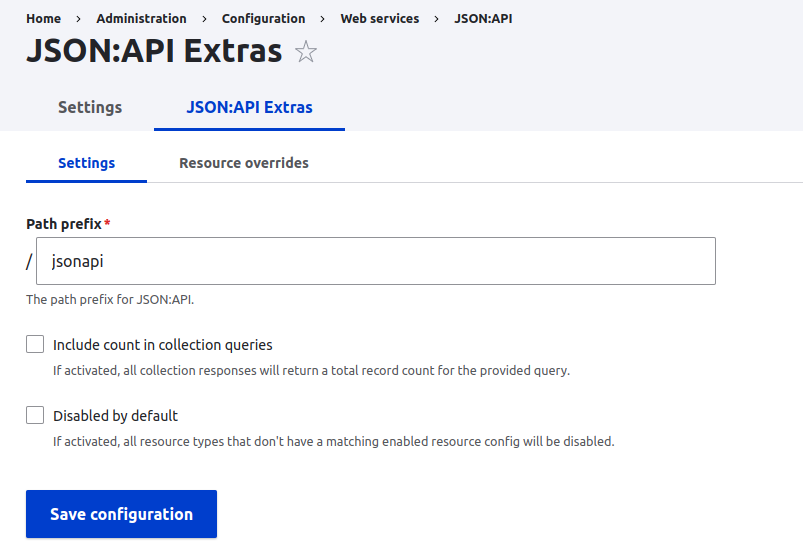
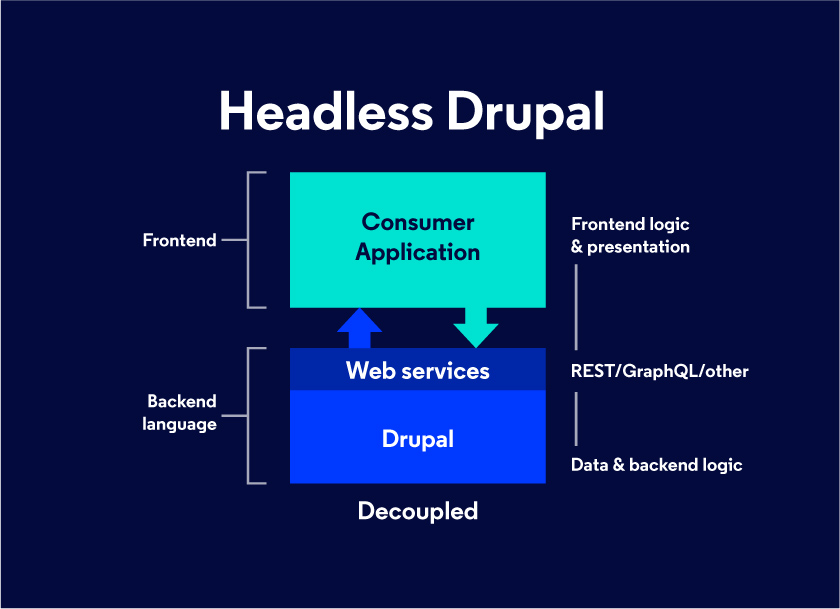
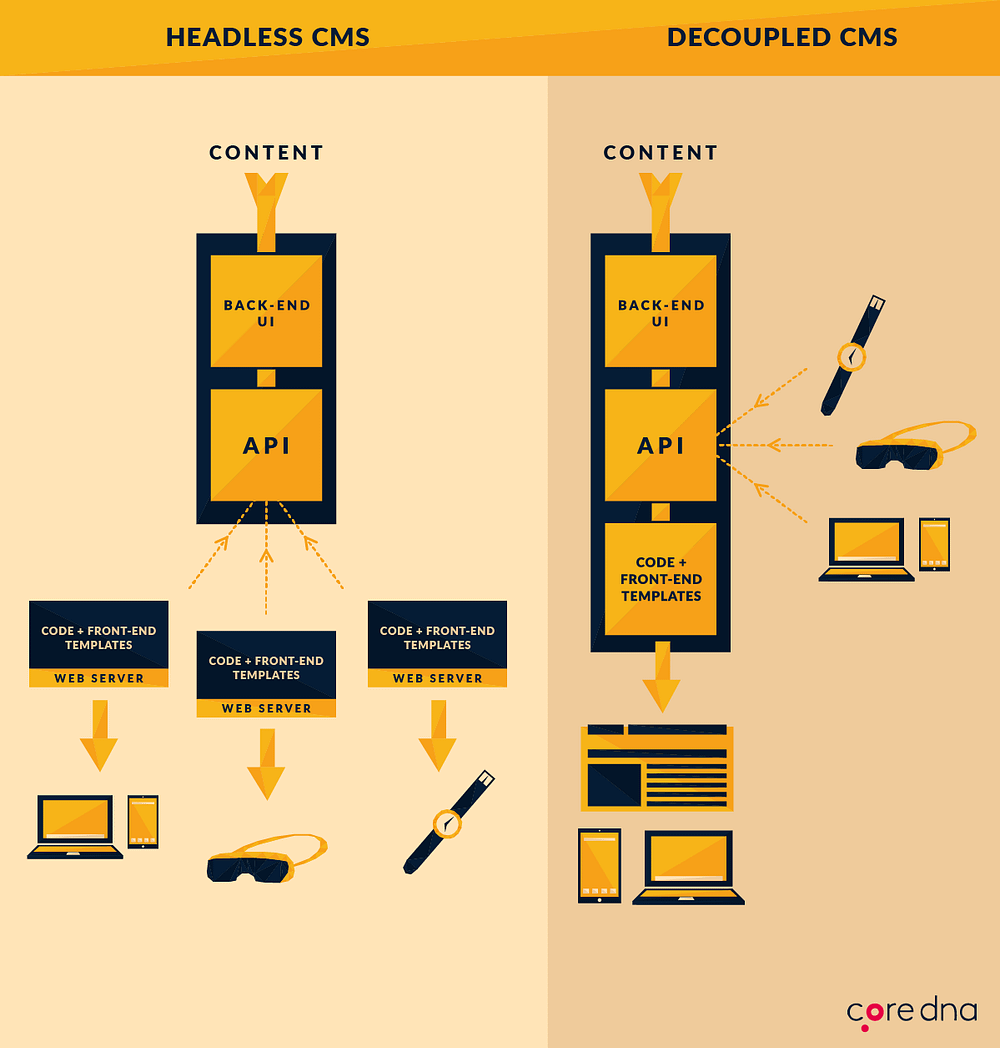
Modern Drupal is widely used as a headless CMS, meaning it provides APIs while the frontend is built using modern JavaScript frameworks.
Popular frontend technologies used with Drupal include:
- React
- Next.js
- Vue.js
Using Drupal as a headless CMS allows organizations to deliver content across multiple platforms:
- websites
- mobile apps
- digital kiosks
- IoT devices
Popular Drupal Modules
Some widely used Drupal modules include:
Views
A visual query builder that allows developers to create dynamic content listings without writing SQL.
Paragraphs
A component-based content system that allows editors to build flexible page layouts.
Webform
An advanced form builder for surveys, applications, and lead generation.
Pathauto
Automatically generates SEO-friendly URLs.
Drupal vs WordPress – Quick Comparison
| Feature | WordPress | Drupal |
|---|---|---|
| Ease of Use | Very Easy | Moderate |
| Best For | Blogs, small business websites | Complex applications |
| Content Modeling | Limited | Extremely powerful |
| Security | Depends on plugins | Enterprise-grade |
| Multilingual | Plugin required | Built-in |
| Headless CMS | Possible | Excellent |
| Scalability | Moderate | Very high |
Security Comparison
Security is one of Drupal’s biggest strengths.
Drupal has a dedicated security team that actively monitors vulnerabilities and publishes security advisories.
Because of this strong security framework, Drupal is widely used by:
- government agencies
- financial institutions
- healthcare systems
WordPress can also be secure, but its large plugin ecosystem increases the potential attack surface.
Managed hosting providers like WP Engine, Acquia, and Pantheon help mitigate infrastructure risks.
The Future: Drupal 11
The upcoming Drupal 11 release continues Drupal’s modernization.
Key improvements include:
- removal of deprecated code
- faster performance
- improved developer experience
- easier upgrades between versions
- stronger API capabilities
Drupal’s development approach now focuses on continuous innovation without disruptive upgrades.
Final Verdict
Both WordPress and Drupal are excellent CMS platforms, but they serve different needs.
Choose WordPress if you want
- quick website setup
- minimal development effort
- thousands of plugins and themes
- blogs or small business websites
Choose Drupal if you want
- enterprise-level applications
- complex user roles and permissions
- structured content architecture
- highly scalable platforms
- headless CMS architecture
A simple analogy:
WordPress is like a powerful hammer that can quickly build simple websites.
Drupal is like a complete toolbox capable of building complex digital platforms.
If you are planning a large-scale application, enterprise platform, or headless architecture, Drupal 10 and the upcoming Drupal 11 provide one of the most powerful CMS ecosystems available today.