The Drupal ecosystem is quickly building a strong set of AI tools. Several modules now allow developers and site builders to integrate AI directly into Drupal workflows.
Here are some of the most interesting AI modules available today.
1. Drupal AI Module
The AI module acts as the central framework for AI integrations in Drupal.
It provides a unified system that allows Drupal to connect with different AI providers such as:
- OpenAI
- Anthropic
- Hugging Face
- local LLM models
Key capabilities include:
- AI content generation
- summarization
- text rewriting
- semantic analysis
The biggest advantage is provider abstraction. Developers can switch AI providers without rewriting their integrations.
2. OpenAI Module
The OpenAI module connects Drupal with OpenAI models such as GPT‑4.
Common use cases include:
- automatic article generation
- meta description generation
- SEO optimization
- chatbot integration
Many Drupal websites use this module to help editors create content faster.
3. AI Automator
AI Automator is designed to automate repetitive tasks using AI.
For example, when new content is created in Drupal, AI Automator can:
- generate summaries
- tag content automatically
- create social media snippets
- generate image descriptions
This allows developers to build AI-driven workflows without writing complex code.
4. AI Search
AI-powered search modules introduce semantic search capabilities.
Instead of simple keyword matching, AI search can:
- understand user intent
- deliver more relevant results
- improve content discovery
This is especially useful for:
- large documentation portals
- news websites
- enterprise knowledge bases
Real Examples of AI Use in Drupal
AI in Drupal is not just theoretical — it’s already being used in production environments.
Content creation platforms
Editorial teams use AI to:
- generate article drafts
- summarize long documents
- create metadata and tags
This dramatically speeds up publishing workflows.
Customer support systems
Organizations integrate AI chatbots into Drupal websites to:
- answer user questions
- guide users to relevant content
- reduce support workload
Accessibility improvements
AI tools automatically generate:
- image alt text
- captions for media
- accessibility descriptions
This helps websites meet accessibility standards faster.
Knowledge portals
Large organizations use AI search to improve information discovery across thousands of pages of documentation.
AI Architecture in Drupal

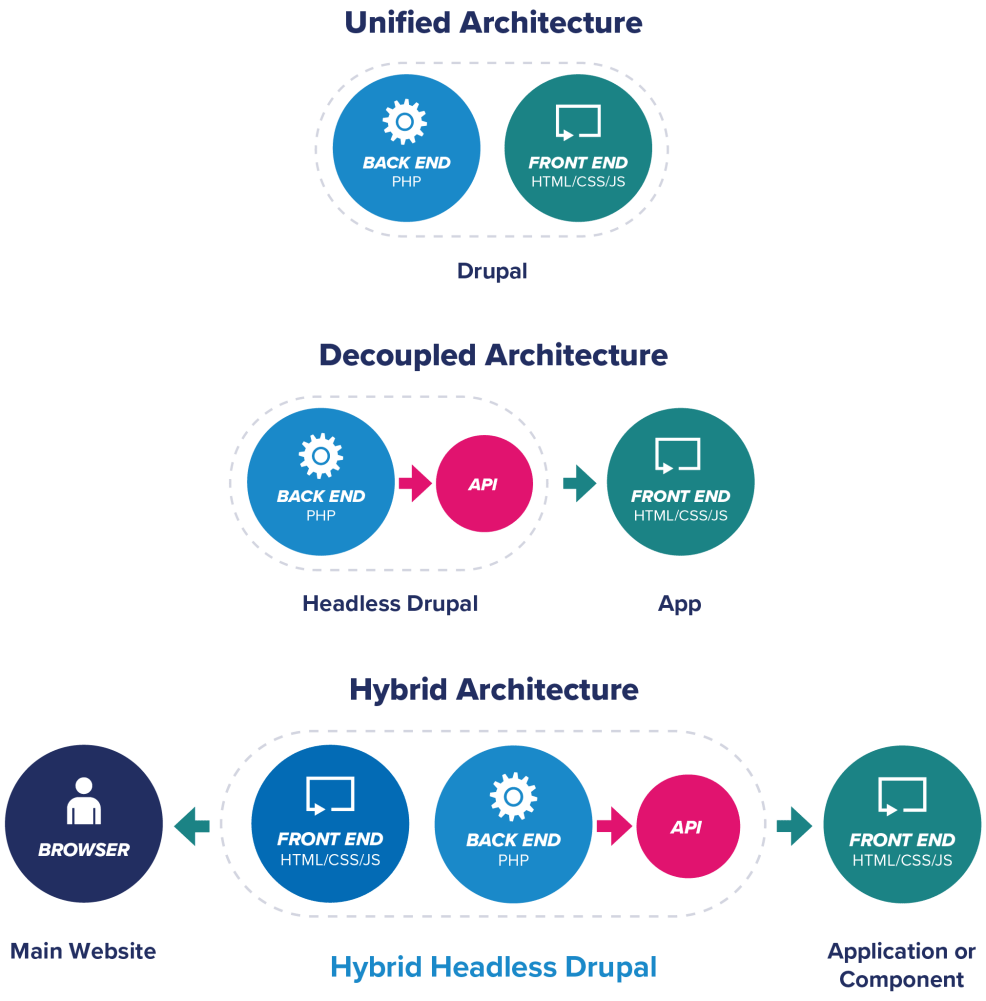
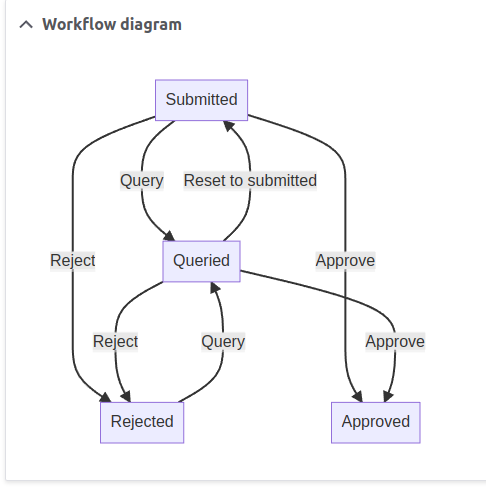

A typical Drupal AI architecture includes several layers.
1. Content Layer
Drupal manages structured content using:
- entities
- content types
- fields
- taxonomy
This structured data makes it easier for AI systems to understand content.
2. AI Integration Layer
Modules such as the AI module provide connections to external AI services.
This layer handles:
- prompt management
- API communication
- model selection
3. Automation Layer
AI automators and workflows process content automatically when events occur, such as:
- content creation
- content updates
- user interactions
4. User Experience Layer
AI features appear directly inside Drupal interfaces such as:
- content editors
- search interfaces
- chat assistants
This makes AI accessible to non-technical users.
Why AI Works Well with Drupal
Drupal has several architectural advantages that make AI integration easier.
Structured Data
Drupal’s field-based content model provides well-structured data, which AI systems can process efficiently.
API-First Architecture
Drupal exposes content through APIs, making it easy for AI systems to access and process data.
Modular Ecosystem
Drupal’s modular architecture allows developers to integrate AI features incrementally without rebuilding the entire system.
The Future of AI in Drupal
The Drupal community is actively exploring several future AI capabilities.
Potential developments include:
- AI-assisted site building
- automated content personalization
- predictive content recommendations
- AI-driven analytics
- autonomous content optimization
Drupal founder Dries Buytaert has emphasized that AI will play a major role in the future of the platform.
The goal is to transform Drupal from a traditional CMS into a smart digital experience platform powered by AI.
Final Thoughts
Artificial Intelligence is rapidly reshaping the web, and Drupal is evolving to embrace this transformation.
With the Drupal AI Initiative, new AI modules, and upcoming Drupal 11 enhancements, Drupal is becoming one of the most flexible platforms for building AI-powered websites.
Instead of simply managing content, Drupal is moving toward a future where websites can:
- assist editors with AI tools
- automate workflows
- enhance search and discovery
- personalize user experiences
For developers and organizations building modern digital platforms, Drupal’s AI ecosystem offers enormous opportunities.